Europe’s grotesque LNG dilemma
2026 OUTLOOK: The Old Continent’s LNG habit could soon be funding two illegal military interventions on its immediate peripheries


Flows of liquefied natural gas (LNG) from the United States into Europe surged to roughly 72 million tonnes in 2025, up by a staggering 60% year-on-year. Imports into the EU-27 rose in parallel, to about 58 million tonnes, per Kpler data. Those are not marginal shifts. They are system-defining numbers, and they speak volumes about European exposure to ongoing geopolitical events.
The US military capture of Venezuelan President Nicolás Maduro and White House threats to acquire Greenland by force have, in the span of a week, upended the concept of energy security for Europe. The Old Continent’s record dependence on US LNG is no longer just an energy wonk talking-point; it is a glaring geopolitical vulnerability.
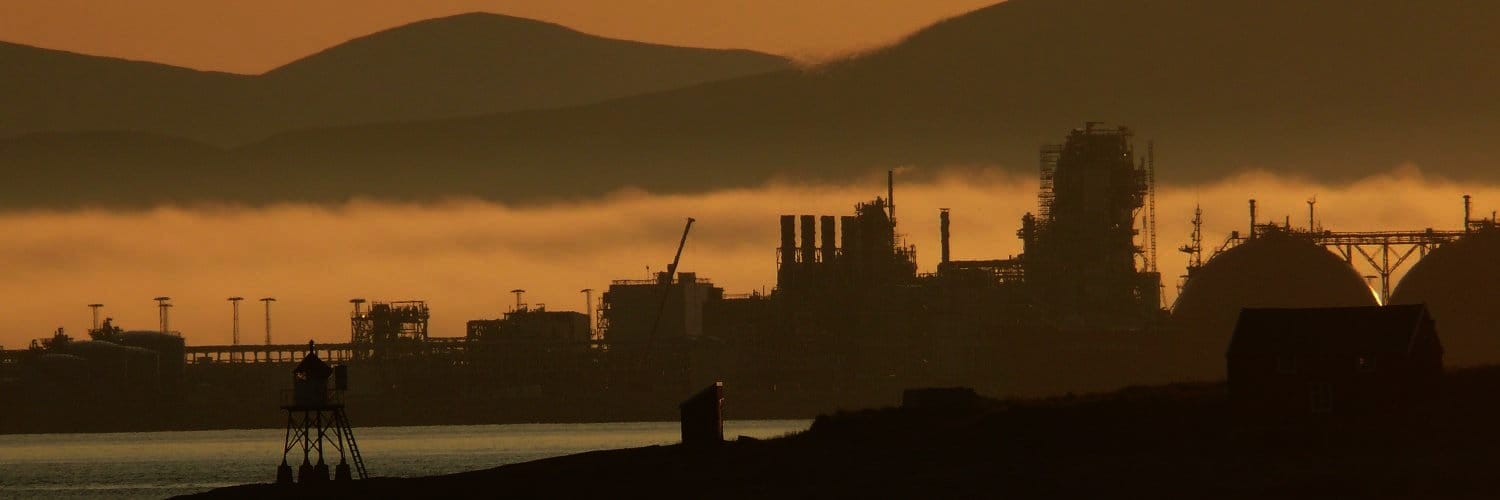
US LNG flows into Europe are unlikely to rise by the same magnitude again in 2026. But nor should anyone expect a meaningful retreat. Absent a sharp and sudden reordering of global LNG economics, Europe will likely sit at or near these record levels throughout this year.
The near-term market logic is straightforward. Asian spot demand remains subdued, price signals are flat, and LNG freight charter rates, having retreated from recent highs, remain volatile. The result is a deepening ‘basinisation’ of LNG trade, where molecules increasingly stay close to home because inter-basin arbitrage windows are closed. For Atlantic supply, Europe is the natural sink.
Add to that a gas storage situation that looks less comfortable than recent years. North-West Europe is likely to emerge from winter with materially lower inventories than in the past two years. Refill demand will matter again.
Dutch TTF — the European gas price benchmark — will need to clear at levels that keep flexible LNG in the Atlantic through summer, not because Europe is competing aggressively, but because it cannot afford to arrive at next winter without a buffer. This is defensive buying, and the price pain will be more tolerable than in recent years thanks to record global LNG supply.
So far, so dull. Markets can live with all that. The real problem starts where geopolitics intrudes. And in 2026, geopolitics is not a tail risk. It is the main variable, and it is about to severely constrain Europe’s geostrategic and political options for the foreseeable future.
Europe’s $1 trillion LNG pivot was a necessary, rational and painful emergency measure after Russia’s 2022 Ukraine invasion. The danger is that it is becoming entrenched as a long-term strategy without the tools to manage its geopolitical consequences. The urgency stems from the fact that the current US administration is eager to exploit this weakness to further its expansionist ideology.
What’s at stake is sovereignty itself, with LNG dependency poised to play the role of prime actor and determinant of geopolitical outcomes — the mechanism through which Europe’s strategic autonomy is tested, eroded, and ultimately priced.
The market story stops here. The strategic one doesn’t.
What follows is not about price spreads or cargo counts. It’s about leverage — who has it, who’s losing it, and why Europe’s LNG dependence is becoming a material factor in historic unfolding events at the start of 2026.
As the second half of the decade gets off to a chilling and violent start, this is the 2026 LNG Outlook you won’t read anywhere else — written for readers who care less about industry consensus and more about real-world consequences.
Subscribers get a brutal assessment of Europe’s existential predicament, and frank discussion of radical energy policy solutions proportionate to the risk it faces — as well as the deeply unpalatable trade-offs they entail.
💥Article stats: 2,300 words, ~10-min reading time
Continue reading with a Premium subscription to Energy Flux: the home of fiercely independent market analysis.

Member discussion: Europe’s grotesque LNG dilemma
Read what members are saying. Subscribe to join the conversation.