The Price of Vassalage
How Europe’s response to the Hormuz crisis is blunting the very tools it needs to escape import dependency

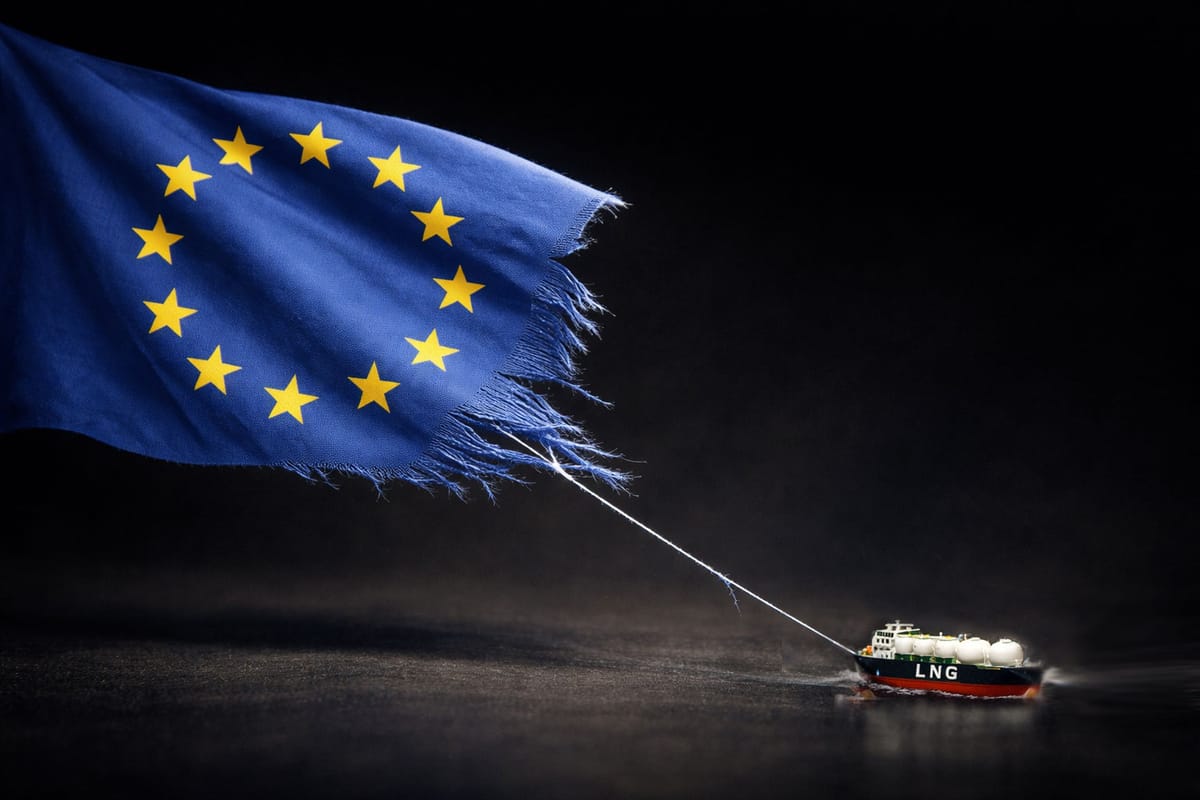
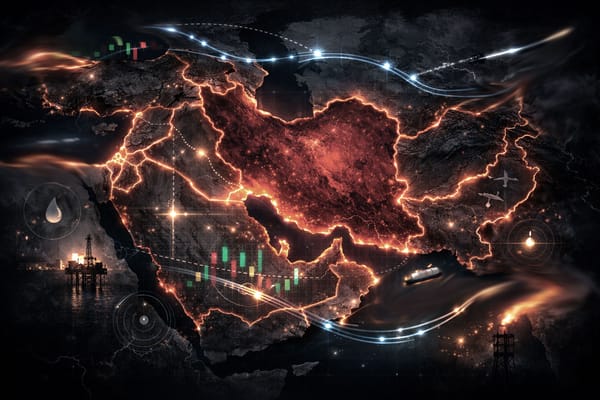
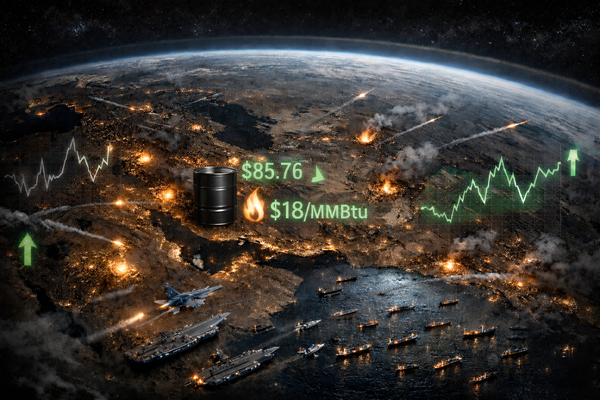
When the gas price doubles, European regulatory ambition crumbles. Aside from spiking energy markets, the de-facto closure of the Strait of Hormuz and loss of 20% of global LNG supply has, once again, highlighted Europe’s hopeless fragility in the face of commodity shocks.
The Strait of Hormuz has been effectively closed to commercial vessels for 18 days. QatarEnergy’s force majeure declaration on LNG exports has been in place for just over two weeks. These historic events convulsed energy markets, triggered a dramatic repricing of risk in EU gas markets, delivered spectacular LNG windfall profits, and exposed the ugly reality behind the Trumpian ‘Energy Dominance’ agenda.
Hormuz also exposed an inconvenient truth, something Europe has spent four years pretending it had addressed: its structural dependence on imported gas and LNG. The policy architecture designed to accelerate European energy independence is now facing the precise test it was designed for. And Europe’s first instinct is to blink.
European leaders are openly discussing softening the EU carbon price and wavering on implementation of methane regulations. At the same time, they are standing firm on the Russian gas ban.
The problem is selective conviction. More precisely, Europe is going soft in the wrong places. It is expending political capital on symbolism while weakening the very market mechanisms that offer a genuine path away from energy import dependency.
ARTICLE SUMMARY
- Europe is dismantling the regulatory instruments designed to reduce its exposure to energy supply shocks, in direct response to an energy supply shock.
- The one policy the EU is defending unconditionally — the Russian gas ban — is the one that would benefit most from strategic ambiguity.
- The ones it is softening — methane MRV, carbon pricing — are the ones that actually build long-term market leverage.
- Weakening methane compliance obligations rewards the least transparent LNG producers, signals that import standards are negotiable, and forfeits buyer power that a wave of new global LNG supply should deliver by 2028.
- This is what strategic vassalage looks like: not a single capitulation, but a pattern — crisis arrives, short-term relief is purchased by eroding long-term defences, exposure deepens, the next crisis arrives on worse terms.
💥 Article stats: 2,200 words, 9-min reading time
✍️ NO PAYWALL: Sign up for free to continue reading...

Member discussion: The Price of Vassalage
Read what members are saying. Subscribe to join the conversation.