Crossing the Hormuz chasm
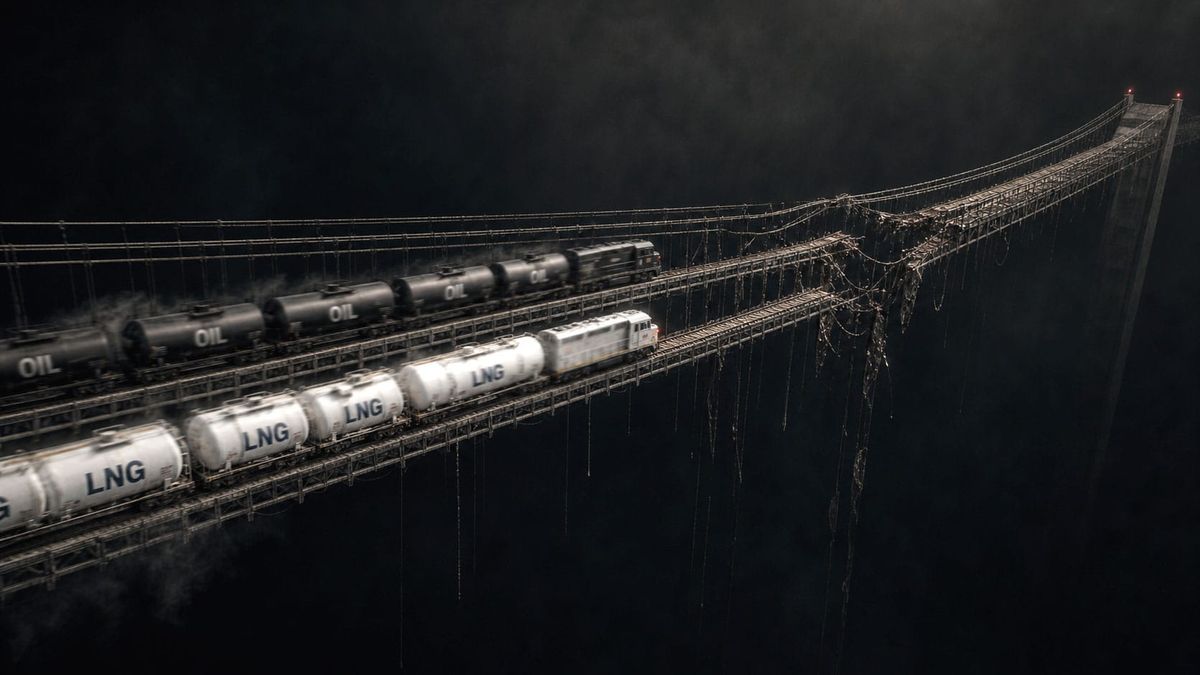
The fragile bridge back to molecular normality is fraying


Article summary 🔽
- A sharper shock than 2022. Practically zero LNG has transited Hormuz since 1 March, 15 Mt lost in two months; a faster run rate than 2022’s Russia shock.
- Oil’s cushion is more theoretical than real. Over 10 mb/d is off the market; SPR releases buy short-term relief but bake in future fragility.
- Reopening is the whole game. Five-year cumulative LNG net loss runs to 30–120 Mt depending on transit recovery speed. Even a deal tomorrow takes months to restore flows.
- Four big obstacles stand in the way. Safety, Sovereignty, Strikes, Statecraft — each one renders Hormuz transit normalisation impossible.
The conflict between Iran and the US flared up again this week, convulsing oil and gas markets in a fresh spasm of price inflation. Both sides are engaged in controlled provocation and limited escalation in an attempt to extract leverage from economic warfare, with little regard for collateral damage.
The continued closure of the Strait of Hormuz is tearing a deep rift in global supply chains that will take many months to heal. The US-led military interventions Operations Epic Fury, Economic Fury, and Project Freedom now run concurrently, chaotically, and without an obvious strategic rationale. The initial “four-week excursion” has metastasised into ten weeks of damaging and costly stalemate.
President Trump last night abruptly paused Project Freedom, the short-lived initiative to escort commercial ships through Hormuz, just hours after it began. But the US blockade of the Strait continues, and a diplomatic breakthrough does not appear imminent. Meanwhile, every day that passes, the economic chasm widens.

Member discussion: Crossing the Hormuz chasm
Read what members are saying. Subscribe to join the conversation.