The slow grind higher
The gas market is no longer pricing a clean Hormuz reopening. It is pricing something messier: conditional transit, shifting LNG flows, nervous funds, and a shortfall in European gas storage injections.


European gas prices are pushing towards their highest level of May. Dutch TTF has spent the past month trapped in a narrow range, held between a war-premium floor and a Hormuz normalisation ceiling. That ceiling is about to be tested.
A handful of stranded LNG cargoes have made it through the Strait of Hormuz. But they did not transit under anything resembling normal conditions.
They sailed ‘in the dark’ with AIS transponders switched off, and reportedly after the governments of China and Pakistan each negotiated safe passage with Iran’s Revolutionary Guard Corps.
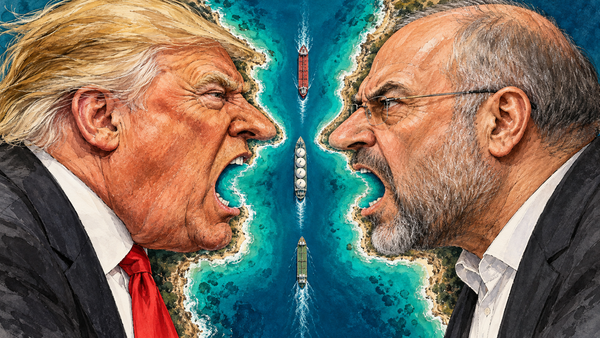
This is not what normalisation looks like. Rather, as Tehran seeks to cement its sovereignty over the contested waterway, we are witnessing the birth of a new normal: a permission-based regime for Middle East oil and LNG exports.
Hormuz is Tehran’s ‘trump card’ and they are playing it to maximum effect. Constraining the supply of energy and critical feedstock to global markets is proving far more effective than empty nuclear threats ever could have.
Washington is trapped between escalation and retreat, unable to stomach the political costs implicit in pursuing regime change, and unable to deliver a decisive outcome by blockading Iranian ports. That matters for gas because a prolonged stalemate is more damaging than a short closure and spectacular military-backed reopening.
A semi-official, legally questionable permission-based transit system is awkward. It keeps the risk premium alive while demanding constant repricing across LNG flows, inter-basin spreads, European storage economics and fund positioning — all against a backdrop of acute information asymmetry.
Charting the change
The prospect of a hardening stalemate poses multifaceted implications for global gas and LNG markets. This week’s subscriber-only Chart Deck tracks the moving parts: TTF sentiment, fund positioning, inter-basin arbitrage, LNG flows and physical balances.
JKM has opened a premium over TTF that is now wide enough to pull marginal LNG cargoes east. The second cargo from the newly operational Golden Pass project in Texas has already diverted from Europe to Asia, a timely reminder that Europe’s growing reliance on flexible US LNG cuts both ways when Asian netbacks improve.
But this is not a simple ‘bullish Asia’ story.
Demand is being destroyed fast enough to offset some of the lost Middle East supply. China, Japan and South Asian buyers are all pulling back, and the Energy Flux LNG Physical Balance Index just printed its first slack-market reading since hostilities began.
That signal feeds directly into the TTF Risk Model, which has moderated its bullish-underpriced score even as the geopolitical setup remains supportive.
The financial market is telling the same story in a different language. Hedge funds reverted to long-selling last week, reinforcing the argument that extreme volatility is capping fund risk appetite despite the bullish setup on TTF. The TTF Sentiment Tracker backs this up, with the latest snapshot of fund positioning.
Meanwhile, the Storage-Speculation Nexus regression model shows fund activity concentrated in winter 2026 contracts, where Europe’s depleted storage buffer and weak injection rates create a clear opportunity. With Dec-26 TTF trading at almost €2/MWh below the front month, the winter long trade has an exceptionally clean narrative tailwind.
Dutch gas network operator Gasunie this week sounded the alarm, calling for gas storage subsidies to avert a winter supply crunch. German utility RWE chimed in, calling for a strategic gas reserve. These measures would dramatically alter how 2026 plays out.
But is there political appetite to pursue them? If Europe fails to build an adequate storage buffer over summer, those calls will intensify.
Policymakers may take succour from the fact that demand destruction and new supply will eventually flip the narrative. But time is not on their side. For now, the market is pricing a simpler problem: Europe needs optionality, and it has less of it than it thinks.
Seb Kennedy | Energy Flux | 15 May 2026
The data behind the headline story is laid out in full in the subscriber-only Chart Deck.
Hormuz risk is keeping the war premium alive, Asian netbacks are pulling marginal LNG east, demand destruction is moving fast, hedge funds are cutting longs, and Europe’s refill rates are falling short. The Chart Deck connects these moving parts with 100+ slides of price, flow, positioning, storage and proprietary model data tying it all together.
Upgrade to Premium to download the full Chart Deck and see what the market is really pricing.
Member discussion: The slow grind higher
Read what members are saying. Subscribe to join the conversation.